Explore Our Courses
Live, cohort-based courses taught by scholars, artists, and practitioners. Small groups of 10-25 learners. Real dialogue. Deep transformation.
The World on our Plates: Culture, Politics, and Food Systems
This co-taught course takes as its starting point something everyone needs in order to survive - food - and examines how the personal is entwined with the social and the political. It must be clear this is not a course on “clean” eating or dieting - rather, it aims to examine how our individual choices are shaped by the larger food systems around us. Together, we will examine the food that ends up on our plate - where it comes from, what it is made up of, who is involved in putting it together - to attend to larger questions around the systems that produce food. This course is less interested in the breaking of bread than in the baking of bread. That is to say, whilst the symbolic and cultural elements of food are generally known, this course aims to focus squarely on the material dimensions of how food is made. We will consider how questions around labour, migration, race & gender, coloniality, capitalism and the climate crisis are wrapped up in the production of food. With our guidance, students will come to see how their choices around the food they consume are shaped by larger social and political contexts. They will see how these contexts affect their individual lives - their nutrition, health, bodies and selves. They will reflect on their individual contexts and produce personalised analyses on whether and how they might want to change the food choices they make - in a way that is conscious, intentional and realistic.
Coming Soon
Kincentric Healing Justice and Art
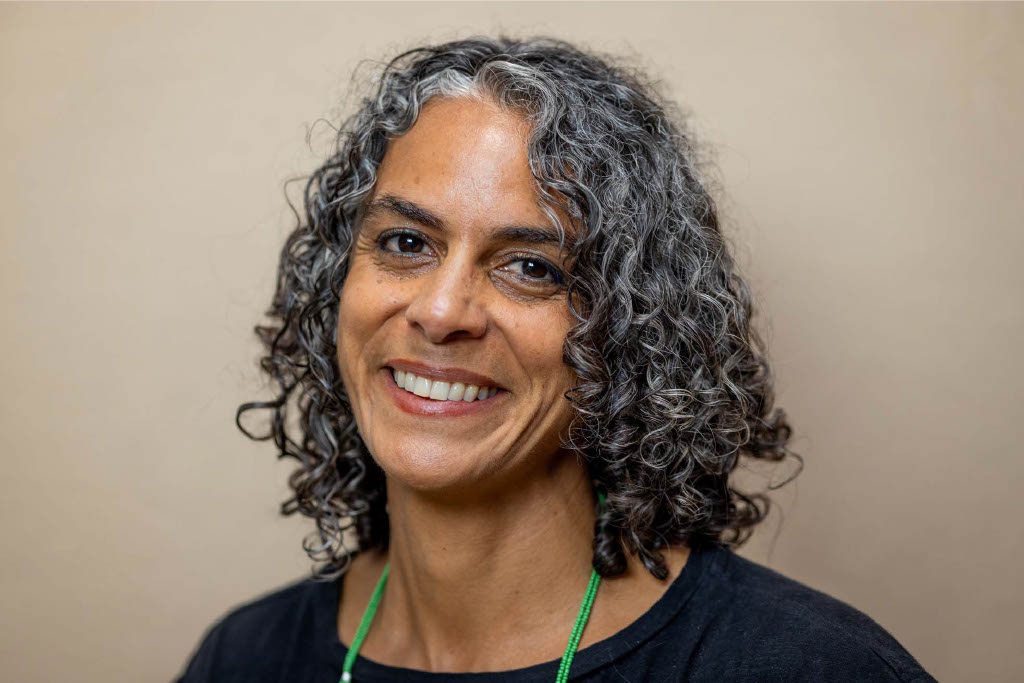
This interdisciplinary course applies arts praxis and arts-based research methods to the study of earth jurisprudence with two intentions; 1) to critique systems of injustice constructed by colonialism and capitalism at the level of the carceral legal system, the legislative strategies and policies that implement the law as a lever of change; and 2) to envision, imagine, speculate webs of co-existence, co-becoming that support mutual thriving of people and land (which encompasses the webs of beings living in relation to a place). The course is designed to develop skills of deep listening and and an ethics of consent and reciprocity to help us discern what is needed to build these new worlds of respectful relationality. Following fish philosopher Zoe Todd’s call to center Indigenous laws and sovereignty, the course takes an unapologetically anticolonial approach to design and pedagogy/ andragogy. The majority of resources will draw on Indigenous knowledge and culture-keepers, BIPOC elders and activists, and Rights of Nature advocates working in solidarity with Indigenous environmental activists. This course emerges from a collaboration between arts praxis and earth jurisprudence to co-create protocols that disinvest from coloniality/modernity and bridge partitions between humans from “the rest of nature.” Students will learn with and participate in ecosocial justice movements through poetics, interdisciplinary arts, social sculpture, legislative action and/or narrative arts.
JuPong Lin, PhD
From the river to the sea, from the mountain rainbow to the darkest bed of soil, we shall all be free
Coming Soon
Find Your Voice
In this class, we unpack racial and generational trauma as a community, explore the roots of our identities, and learn to find our voices in a world that often wants to silence us. We retrace history to understand how modern society upholds white supremacy and causes extensive harm to BIPOC communities. Using that knowledge, we consciously move away from white models of success, learn how to become more comfortable with our identities, and re-design our life based on the values that matter most to us. We will also learn how to leverage our voice and power to organize in community and create the systemic shifts we need to usher in a better world. Topics covered: - Understanding systems of oppression and its effects on the present world order - How western imperialism rewrote the history of the world - The psychological damage of the white gaze on our identities and self-esteem - Reconnecting with our identity and reclaiming our voice, confidence, and power - Uncovering racial and intergenerational trauma to start the healing process - Dismantling the lie of meritocracy and white models of success and professionalism - Redefining success based on our own values and terms - Strategies to counter racism and uplift the most marginalized voices - Understanding how our liberation is connected and learning to create a network of allies - Making space for joy and internalizing that rest is an important part of liberation work
Starts April 8, 2026
The Art of Intentional Living
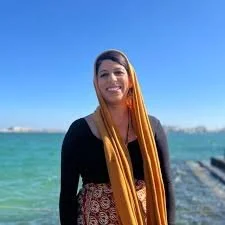
This course invites participants to adopt a more conscious and intentional lifestyle. Through a thoughtful exploration of environmentalism and sustainable living, the course content empowers individuals to make meaningful changes in their daily practices. Participants will explore diverse topics, including reducing their reliance on chemicals, adopting a slow living approach, and integrating indigenous wisdom into modern contexts. Drawing inspiration from the zero-waste movement, learners will discover practical strategies to minimize their environmental footprint while deepening their connection to the natural world. The course will also cover effective environmental communication, utilizing insights from behavioral psychology to foster impactful dialogues and inspire collective action for change. Participants will learn how to craft compelling narratives that reimagine environmental discourse, igniting creativity and optimism. By deepening their relationship with land and nature, attendees will gain a holistic understanding of how interconnectedness can enrich both personal and community well-being. Ultimately, this course provides a comprehensive approach to cultivating awareness, fostering a sustainable mindset, and promoting harmonious coexistence with one's body and the environment.
Najla Abdellatif Vallander
Starts April 2, 2026
Living with Imagination and Optimism
Imagine having the courage to think and act more authentically, letting go of expectations. Imagine living each day your dream life and with a clear purpose. Imagine becoming the most influential leader because of your compassion and ethics. Imagine that your seemingly wild ideas are instrumental to addressing climate disasters. This is possible if you dare to imagine it. Imagination is human’s superpower for individual and collective well-being, problem-solving, and change. Everyone can imagine; it can be fun, freeing, and hopeful, as it allows to see beyond current limitations to create unseen realities, whether personally or globally. Optimistic imaginings can increase positive emotions, boost well-being, and lead to empowerment, fostering constructive change and impactful action. However, imagination is still mostly associated with children and artists, but unrelated to everyday adult life. As a result, our imagination has become constrained and underdeveloped. While we spend most of our time thinking about the future, our tendency is to imagine apocalyptic scenarios – e.g., worse pandemics – or negative situations rooted in current trends – e.g., AI takes over humanity. We struggle to imagine positive paths forward and often look at others for validation – that is, we follow the familiar and conventional, even if this path does not make us happy. This creates a vicious cycle of pervasive pessimism and hopelessness about the future that increases our insecurities and feelings of anxiety and loneliness and hinders our imaginative powers. The good news is that imagination can be reclaimed, strengthened, and harnessed. Sitting at the intersection of psychology, neuroscience, and well-being, this course is an invitation to explore the symbiotic connection between imagination and well-being, as well as to discover what is getting in between us and reaching our potential. In addition to inner development gains, reinforcing human skills — listening, imagining, conversing, empathizing, paying attention, collaborating — will better equip learners to succeed as employees are increasingly looking for these skills in candidates. Through a blend of mindfulness-based practices and reflection, experiential exercises (visualization, role-play, futuring, pretend play, sensory engagement), and hands-on creativity activities (drawing, sketching, collaging) learners will journey inwards, slow down, identify their barriers, and experience the transformative benefits of imagination for mental and physical health. In each session, learners will practice tools and skills to unlock their barriers and deliberately tap into their imagination as well as to integrate and foster imagination skills in their life, their community, and their work. By the end of the course, learners will feel a sense of freedom, courage, compassion, and optimism. They will walk away with the inspiration and confidence to live with imagination – and to nurture it in others.
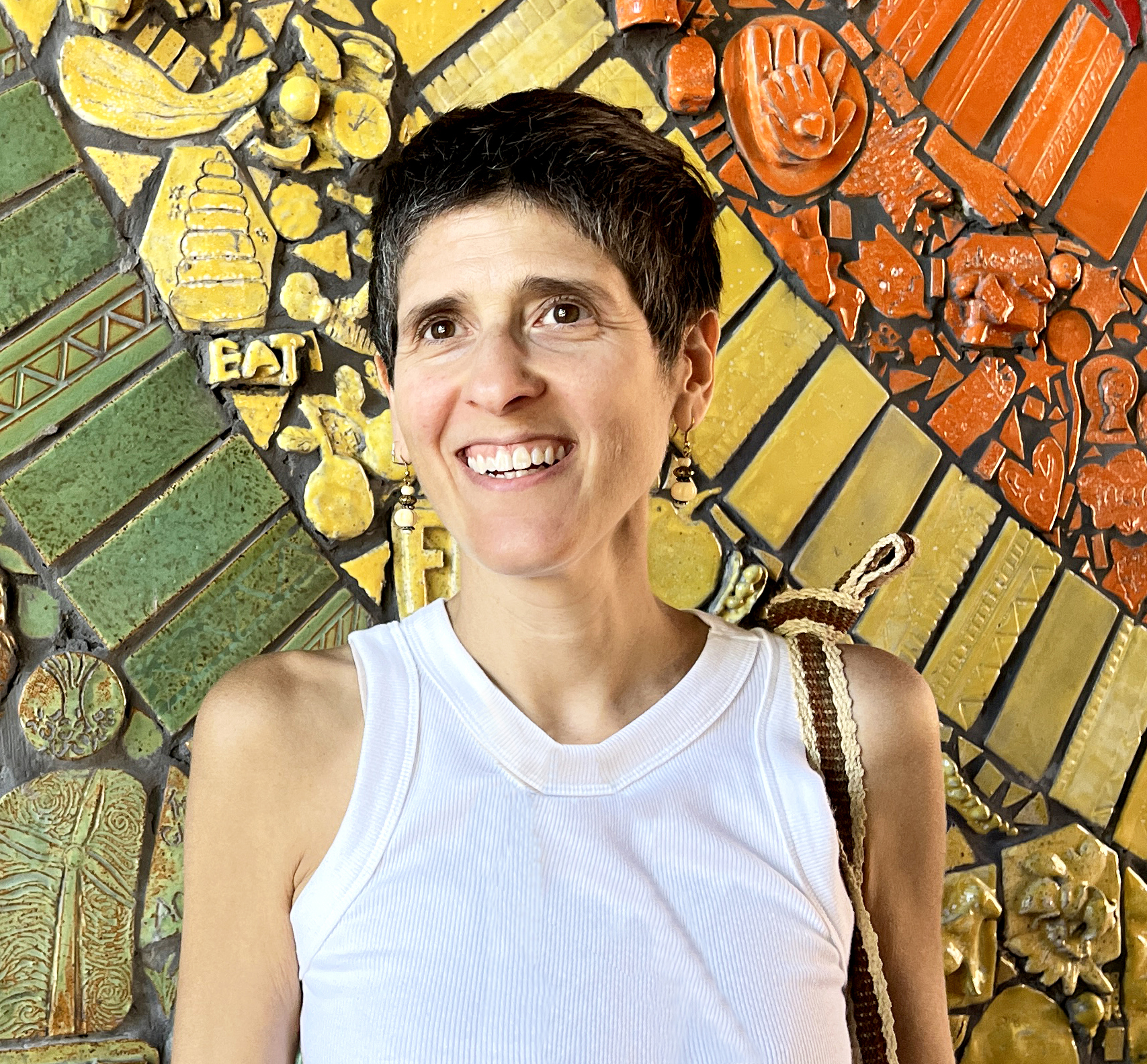
Dr. Sheila Pontis
Professor & Researcher in Imagination, Well-Being and Design
Embodying Liberation
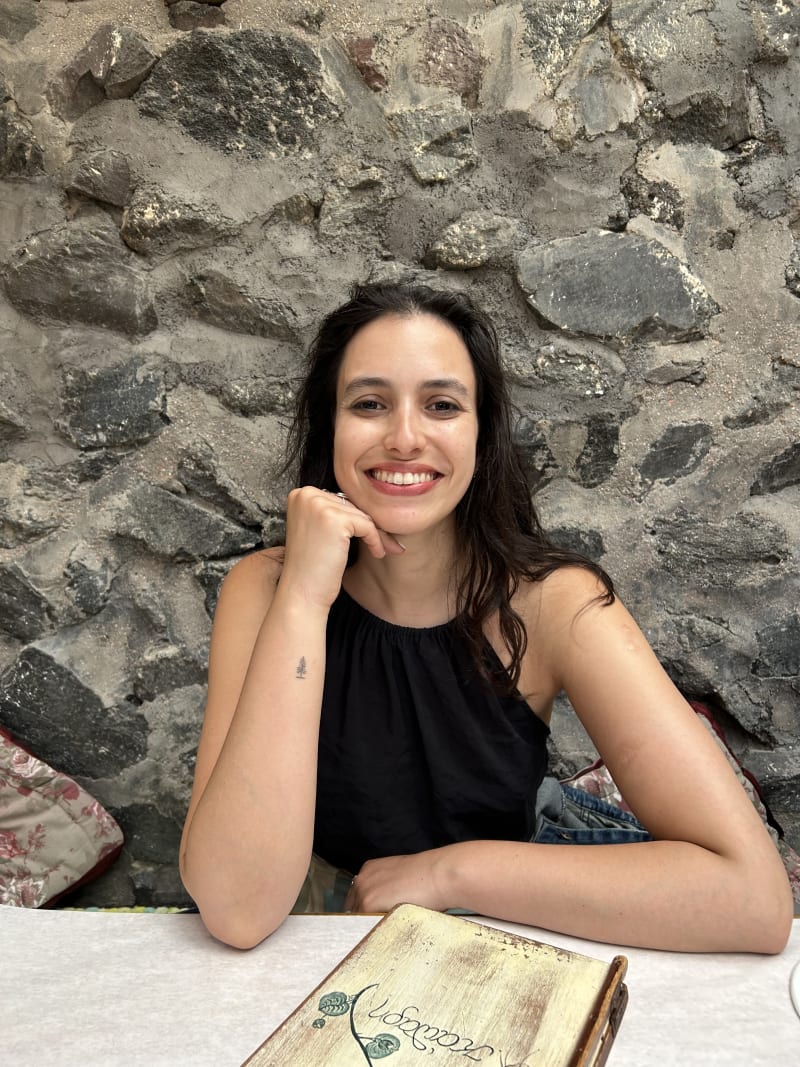
This course offers a transformative journey into embodied resistance and collective healing. Developed under siege and exile, Ashira Active Meditation draws from Sufi whirling, somatic release, and indigenous Palestinian practices to support healing from trauma on both personal and collective levels. Participants will: - Explore how continuous trauma shapes the nervous system - Learn how the body can be a site of both memory and liberation - Engage in movement practices, grief rituals, and storytelling - Reclaim joy as a form of resistance Guiding Questions: - How do we grieve while building resilience? - How can our bodies become vessels for transgenerational healing? - What does it mean to be radically alive in times of collapse? This course centers voices from SWANA and global majority communities, offering tools that are culturally rooted, somatically empowering, and spiritually sustaining.
Ashira Darwish
Ashira Darwish
Starts January 6, 2026
Want to teach with us?
We're always looking for educators who are passionate about liberation, justice, and transformation. Set your own topics, pricing, and schedule.
Apply to Teach