The World on our Plates: Culture, Politics, and Food Systems
From historical migration, imperialism, gender, and capitalism: how is the world around us reflected in the food on our plates, why does it matter, and what can we do about it?
Course Overview
This course takes as its starting point something we all need in order to survive - food - and examines how the personal is entwined with the social and the political. It must be clear this is not a course on “clean” eating or dieting - rather, it aims to examine how our individual choices are shaped by the larger food systems around us.
Together, we will examine the various systems and processes leading to the food that ends up on our plates - where it comes from, what it is made up of, who is involved in putting it together - to reflect on larger questions around culture, cuisine, and community. Figuratively speaking, we are less interested in the breaking of bread than in the actual baking of bread. That is to say, whilst the symbolic and cultural elements of food are generally known, this course aims to focus squarely on the material dimensions of how food is made.
We will consider how questions around labour, migration, race & gender, coloniality, capitalism and the climate crisis are wrapped up in the production of food. Together, we'll consider how our choices around the food we consume are shaped by the larger social and political contexts we are a part of. We'll see how these contexts affect our lives - not just nutritionally, but socially and environmentally as well.
Our weekly sessions will culminate in a bread-making workshop led by Josefina Venegas Meza, a professional baker & pastry chef who has worked in some of London's best kitchens. In addition to acquiring a practical and valuable skill, we intend this practise-based session to function as an opportunity to personally reflect on the various topics we've covered together, and how they might apply in our individual lives. You will also receive a comprehensive and exclusive bread-making handbook with all the essential information you might need to refer back to should you wish to continue baking in future.
Who Is This Course For?
Home cooks & professional chefs
Food writers, activists & community organizers
Those involved in anti-racist, anti-capitalist, and feminist work
Anyone who wants to be more reflective, intentional and conscious about food
What You'll Learn
- Develop an understanding of how food systems shape individual choices and the effects these have on our bodies, health, and selves
- Critically examine how labour around food production is often gendered and racialized
- Connect the three fundamental elements of food systems: people, ingredients, and land
- Develop an awareness of the historical role of colonisation in cuisine
- Produce a personal reflection of your individual contexts and choices around food
- Learn how to bake a loaf of bread at home yourself
What's Included
Live Sessions
Interactive classes with your instructor
Session Recordings
Lifetime access to all recordings
Community Access
Connect with fellow learners
Certificate
Proof of course completion
Course Modules
Introduction: Food, culture & society
Introduction to the course, aims & outcomes, getting to know one another, and setting the tone for the weeks to come
Imperial histories
Wading through the age of empires and their modern day culinary consequences
Food, land & the climate crisis
A look at where some of our favourite things like chocolate & avocados come from – what has it got to do with the environment and our planet?
Labour injustices (1): industries of food
Getting into the industrial production of food and the reliance on exploitative labour practices
Labour injustices (2): the gendered division of labour
A reflection on domestic labour – what has gender got to do with it?
What is the ‘ultra’ in ultra-processed foods
Think about this relatively new category of foods we know as ultra-processed foods – how they have changed our lives?
The joys of cooking & eating together
Explore & relish in some of the delights of food and the things that go on around it – why should we continue bothering to cook?
Capstone: the baking of bread, a reflective workshop
Reflecting on baking a loaf ourselves: how has this brought together the things we've discussed over the past 7 weeks?
Real-World Project
The reflective project begins with the baking of bread. Bread is an illustrative example of the various topics we discuss on the course. It is simple, comprising 4 ingredients (flour, water, salt & yeast), but it allows us to open questions about provenance of ingredients, traceability, sustainability and food systems. In a practical way, this also means you will leave the course having learnt how to bake a loaf for yourself, and therefore have at least one way you can change what and how you consume, should you choose to do so.
Before our penultimate class, you'll be provided with an online bread-making tutorial, and encouraged to bake your own loaf prior to coming to class. The tutorial will take you step-by-step through the process and is designed for beginners with no prior knowledge assumed.
In addition to functioning as a real-world skill, this is a reflective, auto-ethnographic exercise. Having undertaken this project, in class we will reflect on the process of making bread from scratch and by hand - how it felt, what the loaf looks like, where the ingredients came from, etc. This exercise is self-reflexive in spirit and offers the chance for us to reflect on the various questions that have arisen in our previous weeks' discussions. Questions to think about might be (but not limited to) on nutrition (i.e., what goes into real bread as opposed to mass-produced, ultra-processed bread), labour (i.e., the physical work involved in making bread), and gender & capitalism (i.e., how this process is often made the responsibility of women in the household or outsourced into factories).
The project is also an opportunity to extrapolate and reflect on food production more broadly. Food production is often obscured from view or glossed over in our lives - this project is thus a corrective that encourages us to consider what goes into making food in a conscious, intentional, and reflective way. You are welcome to retain your reflection in a personal journal or disseminate it in a format of your choice – be that an essay, illustrated zine, a video, podcast, or more.
Some of the questions to reflect on might be (but not limited to): How does the tactile process of making bread connect us to our food, our bodies, as well as where the ingredients come from? What is the labour that goes behind making food? How has capitalism/industrialism stripped food from its purpose of nourishing the body? How does feminism affect the nature of domestic labour? How do migration and labour intersect with the food we consume?
About the Instructors
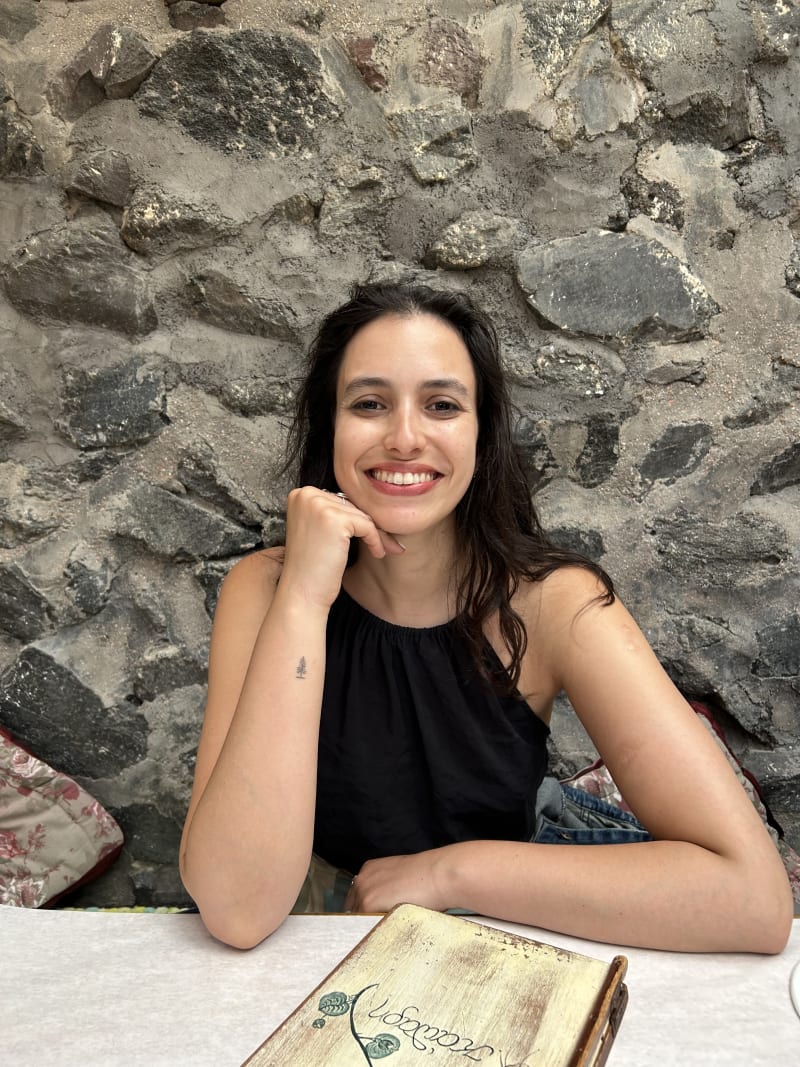
Food Writer
Born in Chile, I came to the UK to study Literature (PhD, King's College London). Subsequently, I trained as a baker and have since worked in various kitchens in London, including Michelin-starred restaurants and am currently authoring my first cookbook. I believe in cooking with whole ingredients and that through the food we make we can create the kind of world we want to inhabit – diverse, considered and one that connects us more to our roots, land and communities. To be conscious about what we eat puts our individual selves at the centre of a complex network of critical environmental, social and political choices.
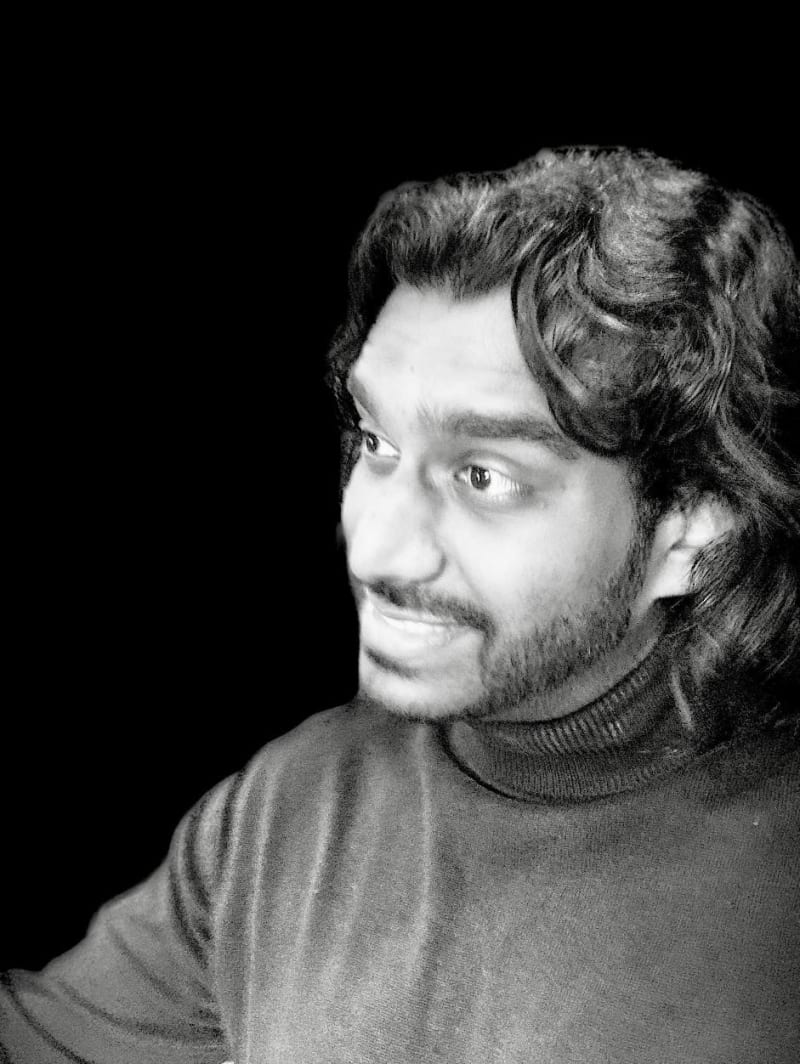
Pavan Mano, PhD
Co-instructorCultural theorist
Pavan Mano is a cultural theorist working in contemporary literature and cultural studies. His teaching and research engages with critical and literary theory, and he is interested in culture broadly speaking as a collection of systems that govern how we live. Pavan's first monograph, Straight Nation (Manchester UP, 2025) examines postcolonial nationalism in Singapore and how states can cultivate cultural ideas of "good" and "bad" members of society. He is currently working on a new project around the politics of food and cuisine.
$1000
Join the waitlist
Sign up to be notified when registration opens.
Live Online
25 students max
8 sessions
60 min each