Ethnographic listening for positive social impact
You'll learn to look and listen like an anthropologist before you act, so you can build programs with a community, at its pace, from its own ideas of a good life.
Course Overview
Some of us who want to do good arrive with the answer already in our pocket. We build the program we'd want for ourselves, then wonder why the community never shows up.
This course teaches ethnography as a way to slow down and pay attention: watching everyday life, asking sharper questions, noticing what actually matters to people. Over 4 weeks, you'll practice these tools on your own work.
What we cover:
- how modernity and coloniality shape the way social projects see the people they serve, and what ontological violence looks like
- the colonial genesis of anthropology, and how to turn its deep way of knowing toward decolonial ends
- the ethnographic toolkit: field diary, participant observation, ethnographic interviewing, thick description, and reading power in the field
- how to run a small ethnography of your own project or organization, and let it change how you design
Why now: the sector is finally reckoning with localization and the decolonization of aid. This puts practical tools in your hands at the moment your work is asking for them.
Who Is This Course For?
This course is for mid-career people in social impact who design, run, or fund projects in communities they didn't grow up in.
program managers, M&E and learning officers, consultants, foundation staff, social entrepreneurs
people who already feel that their surveys and indicators miss what happens on the ground
anyone ready to question their own place in the work, not only their tools
No anthropology background required. Bring a project you care about and a willingness to look at it honestly.
What You'll Learn
- Run a small ethnography of your own project or organization, from field diary to thick description.
- Read power, positionality, and ontological violence in your own work, drawing on decolonial thought and Vanessa Machado de Oliveira's Hospicing Modernity.
- Design programs that start from what a community already knows and wants, and write reports that tell the stories your numbers miss.
What's Included
Live Sessions
Interactive classes with your instructor
Session Recordings
Lifetime access to all recordings
Community Access
Connect with fellow learners
Certificate
Proof of course completion
Real-World Project
You'll produce a mini-ethnography of your own project or organization. You pick the field (a team, a meeting, a decision-making process, your own positionality), do about a week of fieldwork between sessions, and present it in the final class for feedback from the group and from me.
Session Schedule
About the Instructor
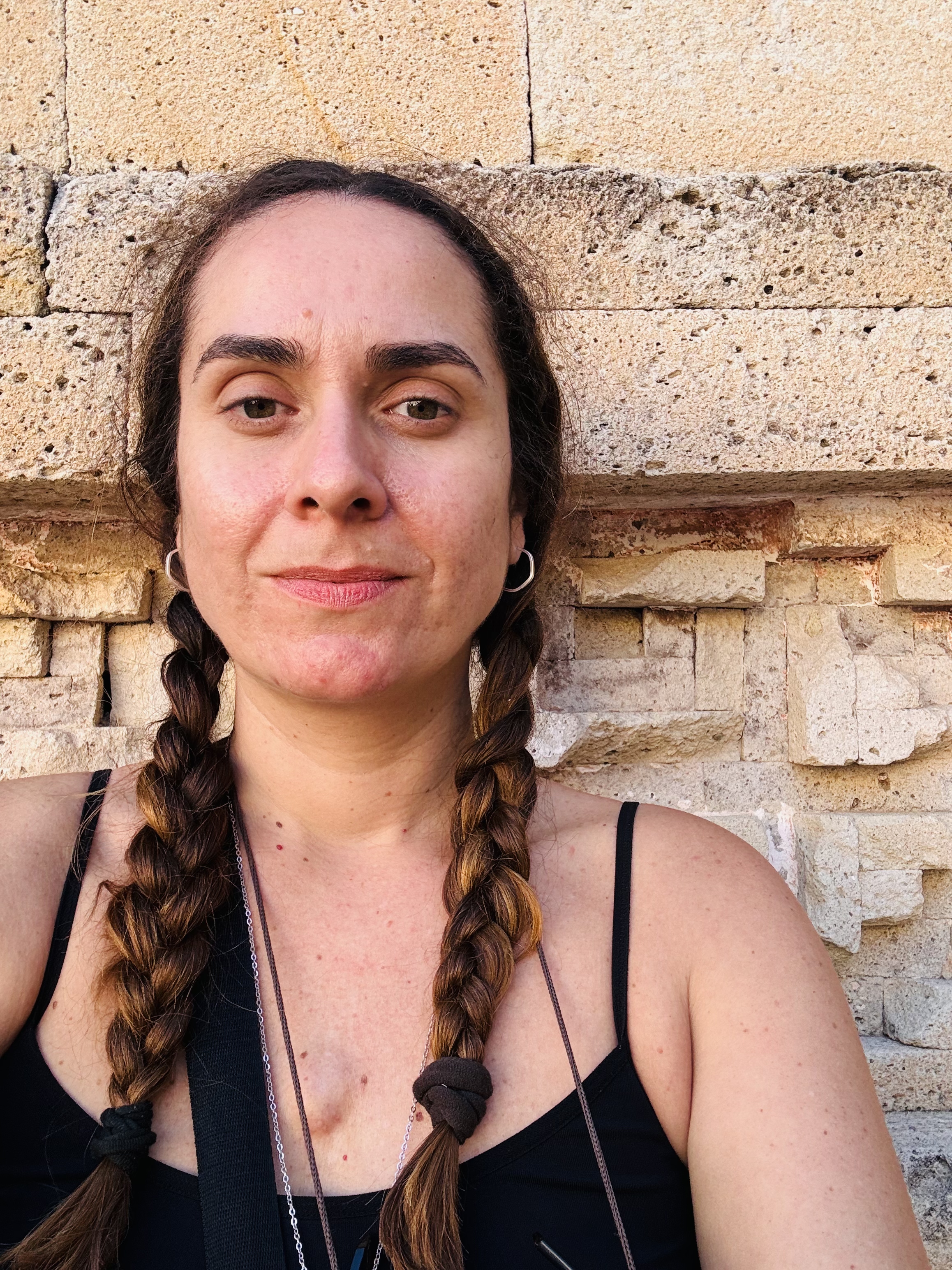
Anthropologist and social impact practioneer
I'm a Brazilian anthropologist and social impact practitioner. For years I ran a postgraduate program at Amani Institute, a school for social innovation, where I watched project after project get designed for communities instead of with them. That white savior reflex, my own included, unsettled me enough to change course and study anthropology. I earned my master's and I'm finishing my PhD in anthropology at the Federal University of Paraíba (UFPB), Brazil. My master's followed how people move through the big transitions of a life; my doctorate is a multispecies ethnography of humans and microbes in food, and how we shape each other. I keep one foot in practice, consulting for the third sector with Stone Soup Consulting, ponteAponte, and my own practice. This course is where those two lives meet: the ethnographer's patience and the practitioner's craft, so you can learn to listen before you build.
$200
Join the waitlist
Sign up to be notified when registration opens.
October 29
20 students max
4 sessions