
All Courses Leadership & Collective Care
A Life That Can Hold the Work: Build Your Personal Wellbeing Blueprint
Build a stronger foundation for meaningful work through practical lessons in nutrition, movement and emotional wellbeing designed to help changemakers sustain their energy, health and impact over time.
Course Overview
Social justice work is deeply meaningful, but it can also be emotionally, mentally and physically demanding.
Many of us are trying to build lives that reflect our values while navigating burnout, financial pressure and systems that were never designed to support our wellbeing.
This course offers a practical introduction to the foundations of wellbeing for changemakers. Across four live sessions, we will explore four core areas that shape our capacity to do meaningful work over time:
Foundations: Clarifying what a sustainable life and career look like for you
Nutrition: Understanding how food influences energy, mood and focus
Movement: Building strength, mobility and recovery into everyday life
Mental and emotional wellbeing: Exploring stress, recovery, sleep and supportive relationships
Throughout the course, we will combine evidence-based wellbeing principles with reflective exercises and small weekly experiments.
Rather than pursuing perfection, participants will be encouraged to notice what works for their own bodies, circumstances and values.
This course does not suggest that individual habits can solve structural problems. Instead, it focuses on practical ways to strengthen the personal foundations that help us stay engaged in the work we care about.
Who Is This Course For?
- Social impact professionals, activists and community organisers
- People experiencing burnout or questioning how to sustain their work
- Freelancers or independent workers navigating purpose-driven careers
- Anyone seeking a healthier relationship between their work, health and values
Curiosity and a willingness to reflect on your own experience are more important than prior expertise.
What You’ll Learn
- Describe the key foundations that support long-term wellbeing and sustainable impact.
- Identify how nutrition, movement and emotional health influence their energy and resilience.
- Design small, realistic experiments to strengthen their wellbeing in everyday life.
- Create a personalised sustainability blueprint to support their wellbeing, energy, and long-term impact.
What’s Included
Interactive classes with your instructor
Lifetime access to all recordings
Connect with fellow learners
Proof of course completion
Course Modules
- 1Foundations: Clarifying what a sustainable life and career look like
Before the first session, participants will complete a short wellbeing self-assessment to reflect on key areas such as energy, nutrition, movement, sleep and emotional health. In the session, we will use these results to explore what sustainable impact looks like, identify areas of strength and challenge, and clarify personal priorities for the course.
- 2Nutrition: An introduction to nutrition for wellbeing
This session provides a practical introduction to the fundamentals of nutrition. We will explore the role of food in supporting energy, mood, and long-term health, and cover core concepts such as calories, macronutrients, micronutrients, and healthy dietary patterns. The focus is on building understanding rather than following rigid rules.
- 3Movement: Building strength, mobility, and recovery into everyday life
Movement is a powerful tool for managing stress, improving energy and supporting long-term health. In this session, participants will explore how to create realistic and enjoyable movement practices that fit their current circumstances and goals.
- 4Mental & Emotional Wellbeing: Exploring stress, recovery, sleep and supportive relationships
Our final session explores the psychological and social dimensions of wellbeing. We will look at how stress, sleep, recovery, and social connection influence mood, focus and resilience - discussing practical ways to protect your mental and emotional health while doing demanding work. Participants will review their learning and complete their Personal Wellbeing Blueprint.
Real-World Project
Personal Wellbeing Blueprint
Throughout the course, participants will build a practical, personalised framework for supporting their wellbeing and sustaining meaningful work over time.
The blueprint will include:
- A vision for what a sustainable life and career look like
- A baseline self-assessment of current wellbeing habits and energy patterns
- Key insights from weekly reflections and experiments
- Personal practices in nutrition, movement and mental and emotional wellbeing
- A set of priorities and next steps tailored to their current circumstances
Participants will repeat selected self-assessments at the end of the course to reflect on what has shifted and identify areas for continued focus.
Each participant will also have the option to book a short one-to-one integration conversation to review their blueprint and discuss how to carry their learning forward.
About the Instructor
Helping changemakers sustain their work 🌱
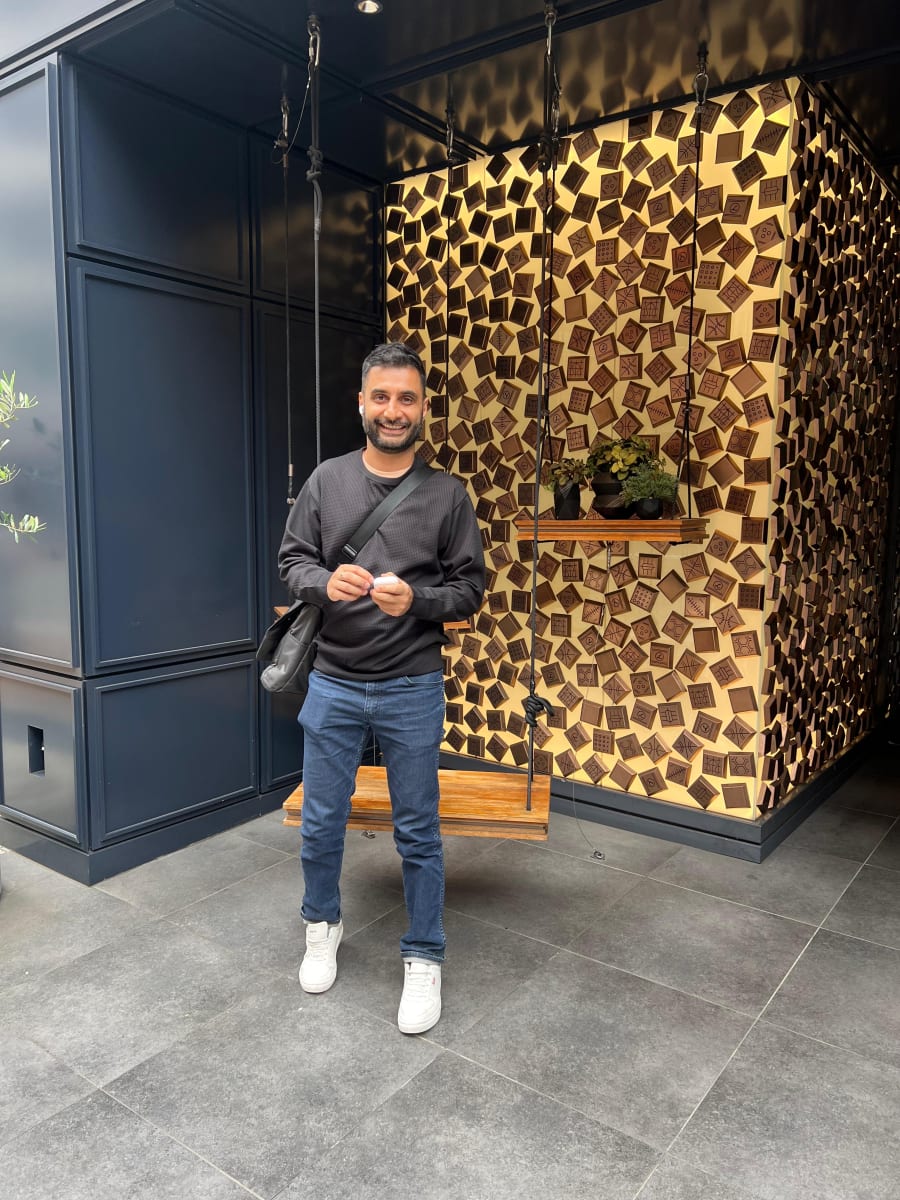
Khawar is a social entrepreneur focused on helping people build lives in social impact that last. He is currently building SOMOS, a platform creating tools to support sustainable, mission-driven work and help people navigate the relationship between energy, income & impact. For many years, he worked in M&A roles across corporate law, insurance and sales while leading Apples & Pears - a grassroots charity in London. The charity supported schools, domestic violence shelters and community groups to run programmes for children and families, reaching over 6,000 participants annually at its peak. He has also worked as an advisor to startups and social enterprises along with serving on non-profit boards. Khawar holds degrees in History and Law, as well as an MBA, and has lived and worked across multiple countries. He is also training to become a NASM-certified Wellness Coach and Pilates instructor.
Frequently Asked Questions
Do I need any prior knowledge of nutrition or wellness?
No! This course is designed to be accessible to beginners and focuses on practical, evidence-based ideas you can apply immediately.
Is this course a substitute for therapy or medical advice?
No. This course is educational in nature and does not provide medical, nutritional or mental health treatment.
What if I already know the basics?
The course combines practical teaching with guided reflection. Even participants familiar with the material often benefit from applying it to their own lives and work.
How much time should I expect to spend between sessions?
The live sessions plus around 30–60 minutes per week for reflection and optional experiments.
Can I ask questions about my own situation?
Yes. The course is discussion-based, and participants are encouraged to bring their own experiences and questions. You will also have the option to book a short one-to-one integration conversation after the course.
You Might Also Like
Tending to the Roots of Conflict in a Divided World
Deepen your capacity to unearth and tend to the unconscious beliefs, protective patterns, and survival strategies at the root of conflict, division, dehumanization, and polarization.
 Lena Papadopoulos · Award-winning educator and leadership coach working at the intersection of personal and collective liberation
The Architecture of Community
Exploring the invisible architectures shaping belonging, leadership, governance, and collective life, and how we might design more conscious, participatory, and life-supporting systems together.
 Hadil El-Baba · Architect | Systems Designer & Community Builder | Founder and Thought Leader of Harmonia
SpiraLogics: Using Spiral Intelligence to Navigate Change, Constraint, and Transformation
A guided inquiry into spiral logics across nature and culture, exploring how spiral principles emerge, how they can be translated across contexts, and how they might inform resilient, coherent, and generative human systems.
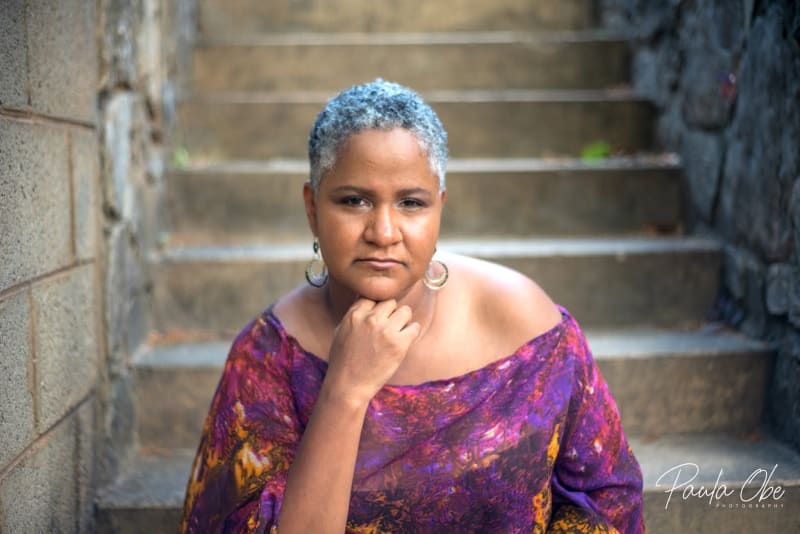 Ruth Osman · Writer, composer, and educator developing an inquiry into spiral structure across art, ecology, and collective life.