Rewriting the Script for Humanitarian Aid Accountability
Map the scripts keeping accountability in the aid sector performative, then flip them. Reimagine the story through a template/process from your work. Leave with a redesigned artefact to share and people to keep building with.
Course Overview
You log in every morning knowing that a chunk of what you're about to do isn't helping anyone. You write the report that nobody will read. You submit the log frame that measures the wrong things, because the template didn't have space for what actually matters on the ground.
You're performing accountability - producing documents that meet compliance requirements, without actually holding anyone to account for work that's supposed to create social impact.
The problem isn't you. It isn't even your funder. It's that the entire accountability architecture of the aid sector was designed for the wrong audience, on the wrong story templates, and once you see that, you can't unsee it.
This course uses theatre as a lens to make that architecture visible. Not as a metaphor, but as an analytical tool: drawing on Erving Goffman's dramaturgy, Kenneth Burke's dramatistic pentad, and Stanislavski's system for understanding character objectives, we'll map exactly why the reporting requirements, budget templates and information flows in the aid sector work the way they do, and why they always exclude the people that are supposed to benefit.
Across six sessions, you'll move from diagnosis to redesign:
- In the first half of the course, you'll learn to read your working context as a dramaturgical system: identifying character archetypes (who really is the "hero" of the aid story, and who is the sidekick for comedic relief?), story arcs, genre conventions, and the audience your accountability processes are actually performing for
- You'll map your own current project against those frameworks, working in pairs to build a full diagnosis of who has the power to do what and why
- In the second half, you'll flip the script: reimagining your accountability system with affected communities as the protagonists, and redesigning the processes that follow from that
- In the final sessions, you'll bring a real tool or template from your own work (a results framework or log frame, a reporting template, or a budget template) and rebuild it from the ground up based on your new script
You'll leave with a concrete, redesigned accountability artefact you can actually use: something you can share with a colleague, put in front of your boss, write about, or present at a conference. Something that translates the frustration you walked in with into intellectual capital you can build on.
This isn't about making peace with the system. It's about understanding it precisely enough to start changing it, starting with the one tool on your desk.
Who Is This Course For?
- You work in international development or humanitarian aid as a programme manager, MEL professional, project coordinator, or consultant, and you've spent enough time in the sector to know that something structural is wrong, not just poorly implemented
- You've written log frames, results frameworks, donor reports, and budget narratives, and you've felt the gap between what those documents say and what's actually happening on the ground
- You're frustrated with the sense that you're spending more time proving you're doing good than actually doing it and you're ready to turn that frustration into something useful
- You want to build thought leadership and intellectual capital around aid accountability, whether that means influencing how your team works, contributing to sector-wide conversations, or developing a public profile as someone thinking seriously about reform
- You're not looking for permission to vent. You're looking for a framework, a community, and a place to start building something different
What You'll Learn
- Read the accountability systems in your own working context (i.e. reporting requirements, information and approval workflows, public vs private communications) through a new lens, with a clearer sense of who is at fault and where the leverage points are
- Redesign a real accountability tool or template from your own practice (results framework, log frame, reporting template, or budget) based on a reimagined script with affected communities at the centre
- Develop a concrete plan for sharing and building on that redesigned artifact, whether internally with colleagues, externally through writing or presentation, or as the foundation of an ongoing reform effort
What's Included
Live Sessions
Interactive classes with your instructor
Session Recordings
Lifetime access to all recordings
Community Access
Connect with fellow learners
Certificate
Proof of course completion
Real-World Project
You'll bring a real document from your own work into the course (a results framework, log frame, reporting template, or budget template) and you'll leave with a redesigned version built around a different set of assumptions about who accountability is for. Working in pairs across Sessions 4 and 5, you'll first reimagine the script your current document is performing inside, then rebuild the document itself: different indicators, different questions, different relationships baked into the structure. The final session is for presenting what you built, choosing an accountability buddy from the cohort, and committing to one specific action to share it in the week that follows.
About the Instructor
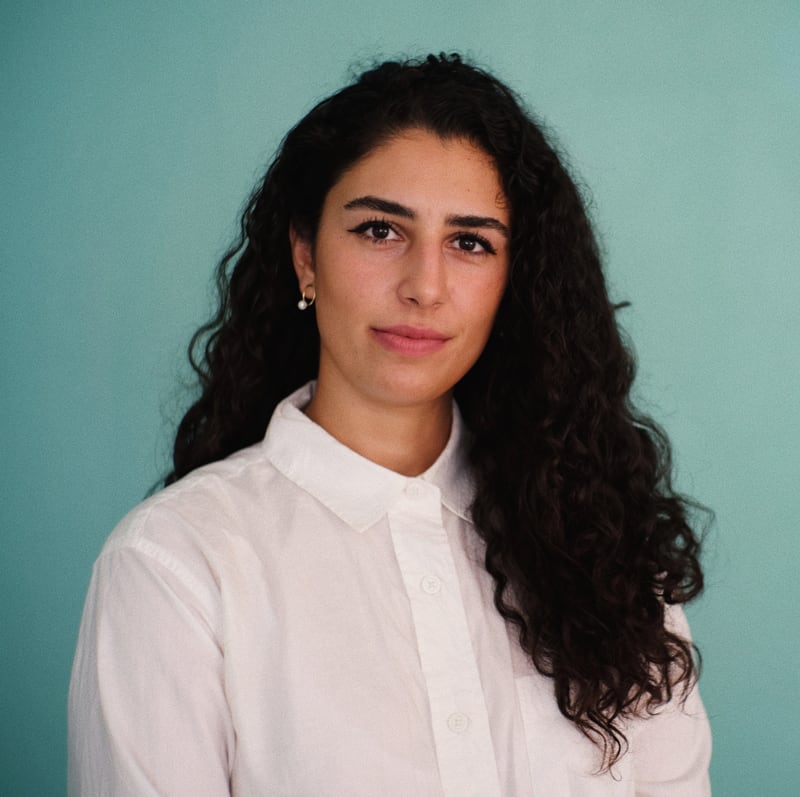
Activist-Evaluator.
Sonja works at the intersection of monitoring, evaluation and learning (MEL), decolonial development practice, and performing arts. She has spent nearly a decade as an evaluation specialist working with international NGOs, asking the difficult questions and insisting on real accountability even when that became uncomfortable. She lives and works in the tiny Caribbean island of Dominica, where her consultancy Island Impact is supporting grassroots organisations to navigate the funder relationships that this course is built around. In 2024/25, her company designed, self-funded and implemented a 6-months NGO Accelerator programme for local NGOs. Sonja has also completed summer schools and intensives in acting and musical theatre at Trinity Laban Conservatoire, City Academy London, and LAMDA. She has not (yet) performed on Broadway or the West End (you never know!) but instead has spent years building and running community performance work, including a foundation course in acting skills and a musical theatre programme. She currently leads the first improvised theatre group in Dominica and teaches singing 1:1. She does not think these two careers are separate things.
Frequently Asked Questions
Get Notified
Sign up to be notified when registration opens.
20 students max