Coming Soon— Sign up below to get notified when registration opens.
liberationComing Soon

Imagine. A world without "international" development.

What if "international" development didn't exist and development was simply that?

Taught by Themrise Khan
Live Online8 sessions x 120 min

Course Overview

This course is a deeply personal journey into the ethical and moral dilemmas of my life and career working in international development, in my home country Pakistan as seen through nearly three decades of experience. Using my widely shared blog series Why I Left Development as a foundation, in addition to my subsequent writings on the critique of foreign aid, we will explore the contradictions, questions, and discomforts that arise when the concept of “doing good” collides with Western systems of power.

But this isn’t just my story—it’s an invitation for you to reflect on your own. Whether you’re a practitioner, a social entrepreneur, an artist, or a funder, the course will ask you directly, "Am I part of the problem". Your answer will guide the trajectory of this course to help you move forward.

Through personal reflections, we will interrogate where we began, the compromises we’ve made, and how we might begin again, with greater honesty and alignment, or maybe opt out completely. This course is not for the weak hearted. I will challenge you to look into your personal experiences and reflections about your work in ways that will create discomfort and doubt. But without this, there cannot be a “transformation”. Personally and professionally.

Who Is This Course For?

This course is for practitioners primarily from the international development space, but is also for those who intersect with this space, e.g. social entrepreneurs, investors, writers, artists etc.

This course is not limited to one geographical region or space. It is open to people of all origins, positionality, genders and races at both the giving and receiving end of international development.

What You'll Learn

  • Reflect deeply on your own professional and personal journey and challenge themselves and decisions they may have made in the past
  • Engage critically with the systems you operate within
  • Name and explore the moral dilemmas you have faced in your work
  • Come to a realization about where and if, you belong in the space we call “international" development

What's Included

Live Sessions

Interactive classes with your instructor

Session Recordings

Lifetime access to all recordings

Community Access

Connect with fellow learners

Certificate

Proof of course completion

Course Modules

1

Who am I: The role of personal identity in “International” development

2

Where did I come from? The origins of “our” role in the “international” development industry.

3

Who matters the most. But do they? Of “beneficiaries” “receivers” and “partners”.

4

What have I done? The ethical and moral results of “international” development.

5

Do I belong? Reckoning with the professional morals and ethics (or lack of them) of the profession.

6

Where am I going and how? Imagining a world without “international” development.

7

Participant project presentations (part 1)

8

Participant project presentations (part 2) Way ahead and feedback.

Real-World Project

Students will be asked to create an alternative real world scenario of one of their past experiences in engaging with international development, in which they DO NOT include themselves, i.e. visualize the experience as managed by those it impacts directly.

About the Instructor
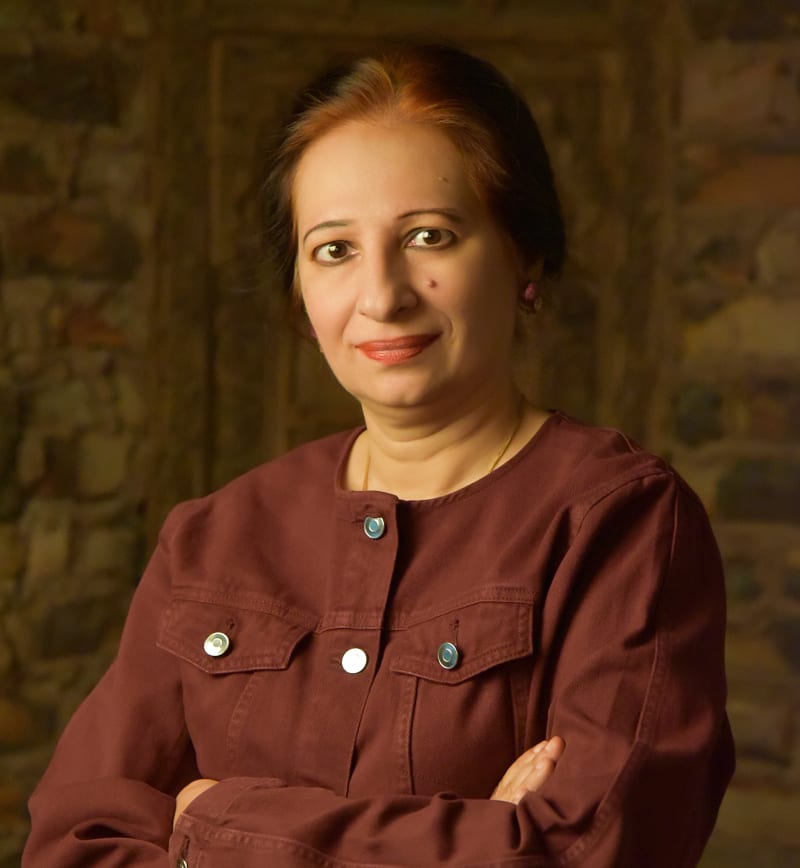
Themrise Khan

International development practitioner

International development practitioner guiding personal inquiry into global systems and transformative change. Themrise Khan is an independent policy researcher in global development and migration, and co-editor of the book “White Saviorism in International Development. Theories, Practices and Lived Experiences,” published in March 2023 by Daraja Press.

Frequently Asked Questions

Yes. But some prior knowledge of what this sector/profession entails is important as this is not a course about explaining development, rather envisioning it based on personal experiences, however directly removed they may be from holding a job/role in the sector.
No. In envisioning a radical way to experience learning, students will be required to ponder on a question at the end of each session and suggest their own resources to the class.
Totally! There is no value judgement being made here. I will be bearing my own soul to the students which will not sit comfortably with many. Any act or response of harm will be immidiately identified and neutralized.
There will be a certificate of completion. But more importantly, everyone will (hopefully) get a better understanding of conflicting feelings they may have been grappling with and a prospective way to move forward.
Yes! There will be no power points with lengthy bullets or text. Some outlines, some photographs, maybe a video. The course is designed to elicit open discussion. In fact, bring your own photos and videos. And more!
NO! This is for both. Because without either, we cannot unpack the moral and ethical issues that the sector confronts us with.

Get Notified

Sign up to be notified when registration opens.

Format

Live Online

Class Size

25 students max

Sessions

8 sessions

Duration

120 min each

You Might Also Like

Coming Soon

"International" Development and Grassroots Activism. Why don't the two ever meet?

This micro weekend course, (three hours each Sat/Sun) is a call to all activists who want better for the world but do not find it in the space we call "international" development. With the horrific events in Gaza, Sudan, and now Iran, this space has failed entirely in advocating for an end to war, greed and conflict. It steers clear away from the street style grassroots activism that was originally geared towards socialism, peace and equality. Why is a sector that supposedly stands for these principles, so bad at being an advocate and an activist? In fact, looks down on it? This course will rapidly explore how the "international" development sector has failed because it has gone against activist principles and has instead embraced capitalism. And how we can change that by truly becoming activists for peace and equality. We will do this by looking at the history - and lack thereof - of activist influenced structures and spaces in the sector and how that has disconnected itself from reality. And we will look at the impact activism has had in the last 2-3 years through the examples above, of how this is the real "international" development.

Liberation
Themrise Khan
Themrise Khan · International development practitioner
Live Online20 students max
Coming Soon

Capitalism vs. Love

An exploration of the fundamental tension between capitalist logic and our human need for love, connection, and community. This course examines how economic systems shape our personal lives including our identities, bodies and relationships, and how we can reclaim love as a revolutionary force.

Liberation
Laura Basu, PhD
Laura Basu, PhD · Independent Scholar
Live Online25 students max
Coming Soon

Engaging in Feedback Dialogues for Liberation

Feedback is often positioned as a tool for effectiveness, productivity, improvement, which denote a certain performative culture and which can be experienced as monological and judgement. Yet feedback should be first and foremost an opportunity for authentic dialogue, for people of all contexts to encounter suggestions, questions, words of advice and wisdom and sometimes dissonances. These conversations, when embedded in brave spaces, can be liberating and emancipatory. Drawing from Paulo Freire's dialogic attributes, this course explores the potential of relational feedback encounters grounded in pedagogy of liberation. It will support people in encountering the tension between suggestion and accountability. Drawing on doctoral research into student (dis)engagement with feedback, the course offers a nuanced exploration of why people sometimes ignore, resist, or emotionally disengage from the very feedback intended to support them. Rather than treating feedback as a technical instrument (a set of comments to improve performance), we examine it as a relational encounter. Feedback is not simply transmitted; it is received, interpreted, felt, negotiated, and often transformed. When framed as a dialogical experience, feedback becomes a site of meaning-making shaped by emotion, identity, power, and context. This shift opens possibilities for deeper engagement and more sustainable practices. Participants will explore the conditions that must exist before feedback can be taken up. Because feedback must first be received (cognitively and emotionally) attention will be given to climate-building practices that foster a sense of mattering. Practical moves will be shared for supporting individuals who may be particularly sensitive to perceived criticism, including neurodivergent people with rejection sensitivity. We will investigate multiple forms of feedback dialogue: inner feedback, peer feedback, and 'expert' feedback. Additionally, we will surface often-invisible dynamics that shape engagement. Power asymmetries between people can influence whether feedback is welcomed, negotiated, or rejected. By making these dynamics visible, we can better design feedback interactions that invite participation rather than compliance. Throughout the course, participants will engage with tools, embodied teaching practices, and reflective activities designed to strengthen relationality in feedback interactions. This workshop ultimately invites all of us to rethink feedback not as a technique to perfect, but as a relational and reflexive posture.

Liberation
Sam Passeport
Sam Passeport · Relational Coach, Education Disruptor, Feminist Killjoy
Live Online20 students max4 sessions

Join our mailing list

Stay updated on new courses and events.