Childhood, Power, and Decolonial Praxis
Through decolonial theory, liberatory pedagogy, and guided personal reflection, learners will develop the language, tools, and embodied practice to transform how they raise, teach, and care for children.
Course Overview
-Childhood is not a neutral category. The beliefs we carry about children-how they learn, how they should behave, whose knowledge counts-are shaped by centuries of colonial thought, reproduced daily in homes and classrooms that rarely examine their own assumptions. This course offers an interdisciplinary examination of childhood through a decolonial lens, drawing on critical pedagogy, ecofeminism, disability justice, Black radical thought, and indigenous epistemologies. It asks not only how colonialism has shaped our understanding of childhood, but how that understanding lives in our bodies, our parenting, and our teaching.
-The course moves through three phases: identifying colonial frameworks in educational systems, developmental psychology, and cultural narratives about childhood; locating those frameworks in learners' own histories and daily practices; and translating theory into praxis through concrete tools and commitments for raising and educating children differently.
-What makes this course distinctive is its insistence that decolonial work is not only intellectual but embodied. Most courses addressing colonialism and education focus on curriculum reform: on what is taught. This course goes further, examining how we understand childhood itself, and building in structured writing and reflection practices designed to bridge the gap between knowing and changing.
-The course draws on a deliberately wide range of traditions, reflecting the reality that colonialism took different forms in different places, and that decolonial praxis must be as diverse as the communities doing it. It is taught by a practitioner who is an immigrant, Muslim, parent, and educator who has been doing this unlearning for almost two decades, in the classroom, the home, and on the page.
Who Is This Course For?
This course is designed for a parent, educator, or immigrant (or all three) who has felt the tension between the values they hold and the frameworks they were handed. They have noticed the colonial assumptions baked into their child's curriculum, their own childhood, their family's relationship with assimilation. They have things they want to unlearn, and stories they want to tell that the mainstream doesn't have space for.
What You'll Learn
- Identify and analyze colonial frameworks embedded in Western conceptions of childhood, development, and education.
- Apply decolonial and radical frameworks to the critical examination of educational and caregiving practices.
- Locate these frameworks in their own histories, bodies, and daily practices through structured writing and personal reflection.
- Develop concrete, context-specific tools and commitments for raising and educating children within a decolonial framework.
What's Included
Live Sessions
Interactive classes with your instructor
Session Recordings
Lifetime access to all recordings
Community Access
Connect with fellow learners
Certificate
Proof of course completion
Real-World Project
Learners will conduct a structured audit of a real learning environment, such as their own classroom, a school they have access to, or a childcare setting, or a home they inhabit or used to inhabit. They will examine curriculum materials, physical space, disciplinary practices, and implicit cultural assumptions through the decolonial frameworks studied in the course, and produce a written audit report (1000–2,000 words) identifying colonial frameworks operating in the environment and proposing concrete, implementable changes.
Session Schedule
About the Instructor
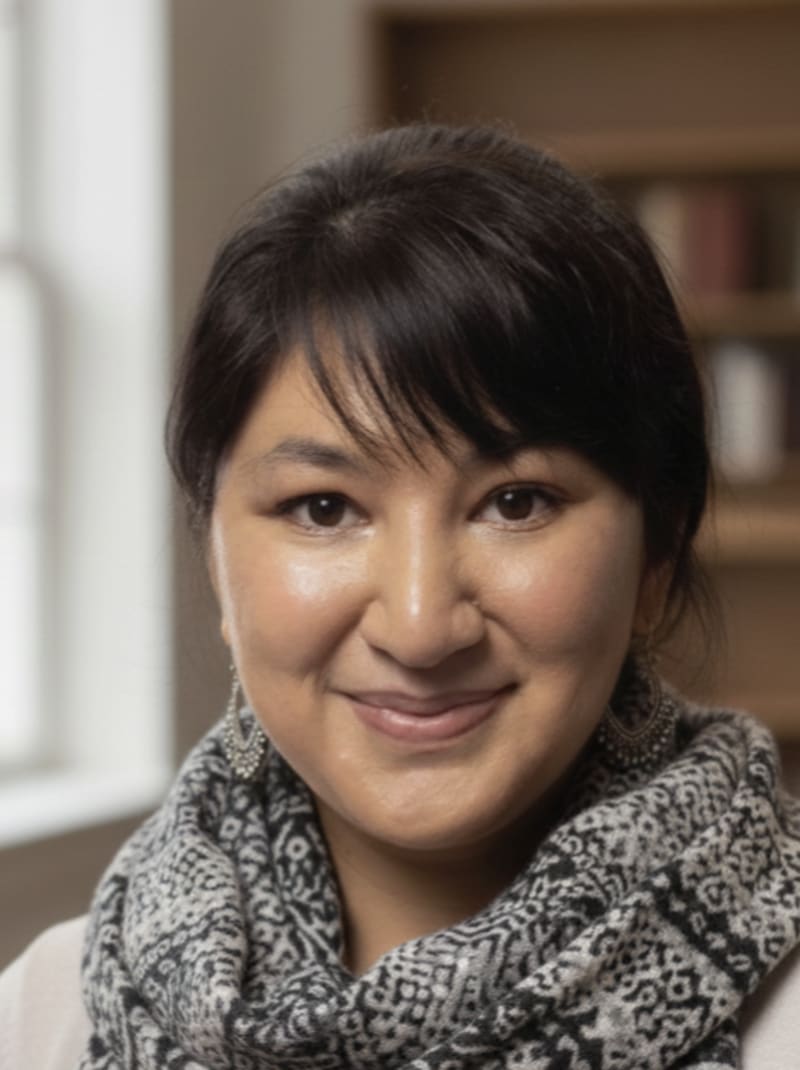
Educator, Writer, Imaginer of Collective Liberation
Hi, I'm Sarah (she/her). I'm an educator, writer, and parent with over 17 years of experience teaching humans of all ages, from infants and toddlers to graduate students. I hold a BA in History and an MA in Child Study and Human Development from Tufts. I believe everything is political--especially the way we raise children, and consequently, the way we raise ourselves. I believe all children are capable. I believe all adults deserve community, creativity, and grace. I believe play is non-negotiable. I believe trying things and failing is an ingredient of a life well lived. I'm inspired by South Asian elders and ancestors. My first book, Apocalypse Babies, was published by Reverie Publishers in 2023. I'm currently working on my second book of creative nonfiction. When I'm not teaching or writing, I'm parenting, birding, people-watching on public transit, and trying to be the village my neighbors deserve.
Get Notified
Sign up to be notified when registration opens.
25 students max
2 days
180 min / day