Building Our Capacity for Resistance
How do we continue to resist oppressive systems in adverse climates, while taking care of ourselves? This course works through what holds us back in our advocacy work and how to overcome those limitations sustainably.
Course Overview
While it is imperative that we resist the oppressive systems we currently live in, intergenerational and racial trauma often tricks us into believing that assimilation will keep us safe. In the workshop, we will unlearn these harmful narratives, dig deep into our roots to learn from ancestral knowledge and sustainably increase our capacity to advocate for our communities. The class will cover our past, present and future – the history of how we got here, the present fears that hold us back, and how we can overcome those to build a better future.
Why take this class? Without doing the important work of learning from history and healing from the past, we are doomed to continue our cycles of violence. Moreover, the work of resisting oppressive systems and reimagining them is a long and arduous journey. We need to build our resistance muscles if we want to sustain the long fight, and healing from our racial and intergenerational trauma will help us get there.
Who Is This Course For?
The course is best for folks who are questioning the role of systems of oppression in their lives and are looking for ways to feel more comfortable with advocacy as well as develop more stamina for it.
What You'll Learn
- A better idea of how systems of oppression affect your life and well-being
- More clarity around the fears that hold you back and strategies to overcome those
- Learning how to speak up and develop more confidence in your advocacy voice
- Strategies on how to use your economic power to boycott harmful companies
- Unlearning capitalism’s efficiency mindset to invest in local businesses and relationships
- An deeper understanding of leadership and community through a decolonized mindset
What's Included
Live Sessions
Interactive classes with your instructor
Session Recordings
Lifetime access to all recordings
Community Access
Connect with fellow learners
Certificate
Proof of course completion
Course Modules
Why it’s so hard to be an advocate
In this first module, we'll look at systems of oppression and gain an understanding of how it has trickled through history to affect our present day identities and sense of self. We’ll also talk about the common fears we have for advocacy and learn strategies on how to counter and overcome those fears.
Setting the mindset for doing resistance work
Most people think of resistance work as grand gestures and sweeping changes, when it’s more like training for a marathon - taking small, consistent steps to build a better future. In this module, we’ll be unlearning the capitalist mindset of urgency and efficiency, and recommitting ourselves to doing the messy and often non-linear work of healing our past trauma, as well as building relationships in community to increase our capacity for resistance work.
Strategies for speaking up and advocating for our communities
In this module, we’ll talk about how to use our voices and unique strengths to push for systemic change. We will cover strategies on how to speak up in difficult settings to call out harm, and how to use our power and privilege to amplify those voices that have been historically silenced.
Learning how to use our economic power to push for systemic change
Since systems of oppression are basically ways to channel resources to the elite, what better way to disrupt it than to use our economic power to boycott companies that are harming our companies. In this module, we’ll talk about the price of convenience and how to start re-investing in our local communities and small businesses.
Real-World Project
In the final class, learners will do a short 5-min speech or presentation on an advocacy issue close to their heart and attempt to convince their audience of other students to take a related action (however big or small).
About the Instructors
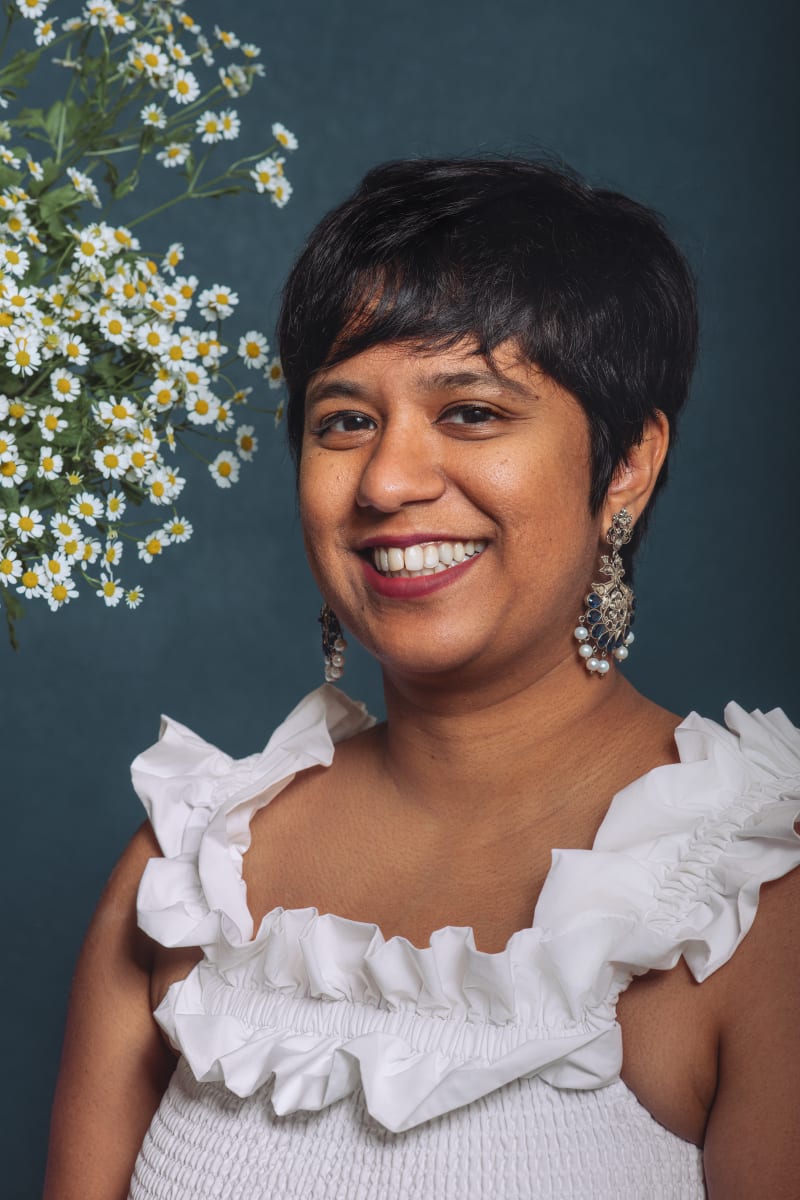
Outspoken Psychologist. Data-Driven DEI Advisor. I help organizations become anti-racist using research-backed methodologies. I also support BIPOC in professional spaces.
Sarah Seraj, PhD is co-founder and CTO at A Better Force, where she conducts workshops and consults with companies on improving workplace culture and systemic inequities by using the latest findings from the social sciences. In her data consultancy work, she uses computational language tools to answer social psychological questions and develop best practices for companies. As a woman of color and an immigrant, one of the main goals of her work is to have more inclusive spaces for women, BIPOC, and other underrepresented groups. Sarah got her PhD in Psychology from UT Austin in 2021.
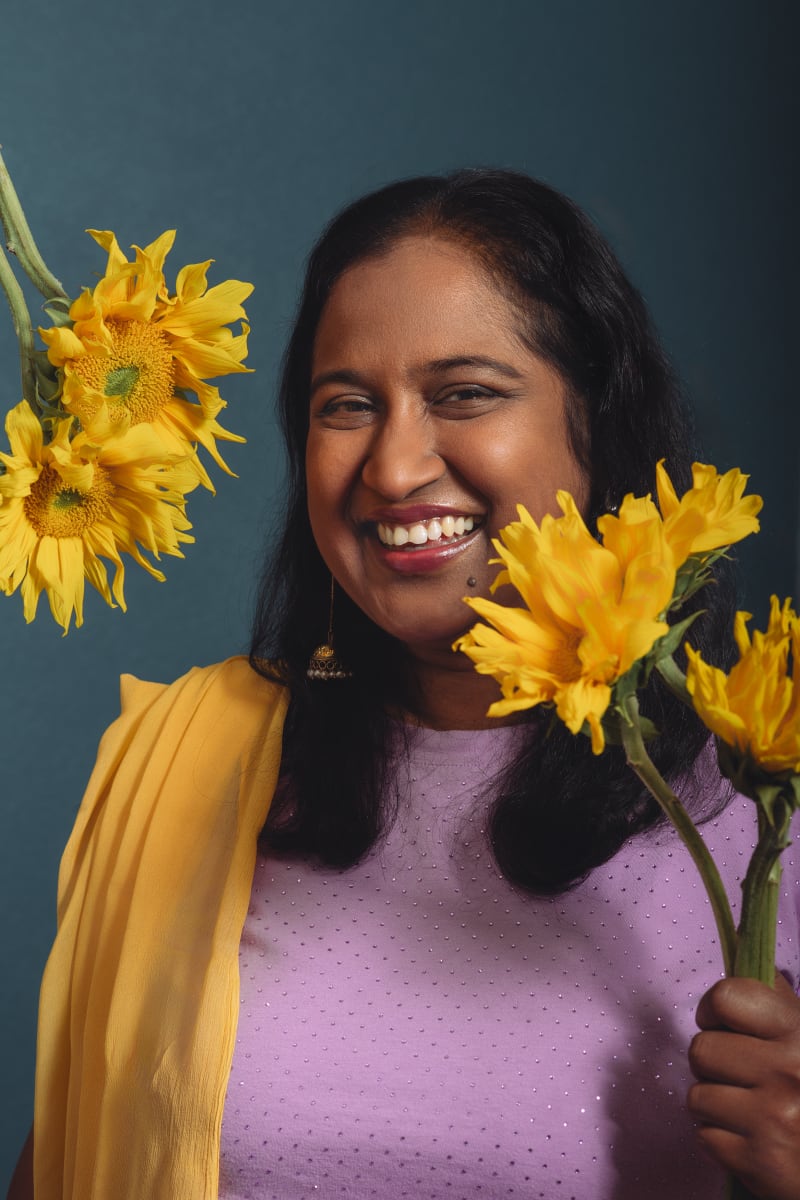
Saamiya Seraj, PhD
Co-instructorFierce BIPOC Coach helping individuals find their voice and thrive
Hi there! I am the CEO and co-founder of A Better Force, a leadership development company with a special focus on empowering BIPOC, immigrant, and other historically marginalized communities. For individuals, I’m a fierce and loving coach, giving equity-oriented and culturally sensitive solutions. For companies, I serve as a strategic advisor, guiding them on how to dismantle systems of oppression and grow with equity.
Frequently Asked Questions
$400
Join the waitlist
Sign up to be notified when registration opens.
25 students max
4 sessions
90 min each